
High Quality Loungewear Sets for Women: 2026 Guide
Table of Contents
- What Defines High Quality Loungewear Sets for Women
- Best Fabrics for Elevated Loungewear: A Buyer's Guide
- How to Care for Cashmere and Silk Loungewear
- Styling Loungewear for Errands: From Home to Street
- Body-Type Specific Recommendations for Loungewear Sets
- Luxury vs. Affordable Loungewear: What Justifies the Cost
- Frequently Asked Questions
Last Updated: October 2, 2026
What Defines High Quality Loungewear Sets for Women
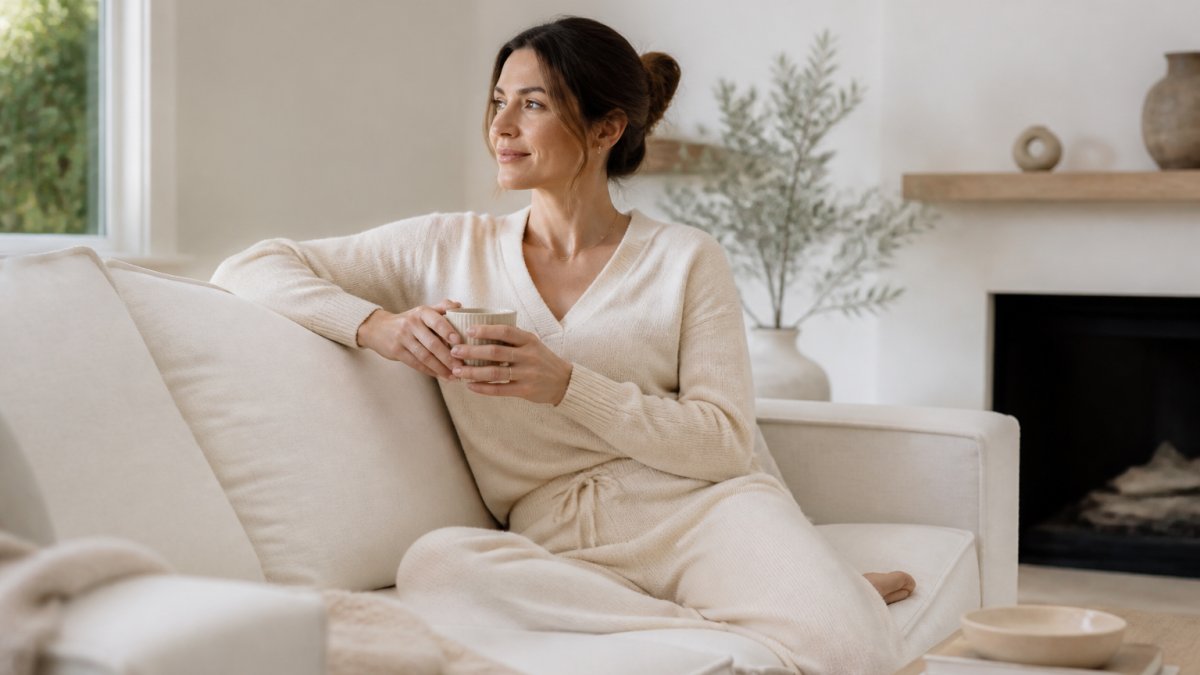
High quality loungewear sets for women are matching two-piece outfits built from dense, breathable fabrics with clean stitching and a fit that holds its shape after repeated washing. This guide from Velura14k breaks down what separates a set that lasts years from one that pills by month three, differences that show up in fabric weight, seam construction, and how the elastic waistband behaves after twenty washes.
Most shoppers judge loungewear by how it feels in the fitting room. That's the wrong test.
A soft-touch finish can be sprayed or brushed onto cheap fabric. What you want is density: a fabric heavy enough to drape without clinging, light enough to breathe through a work-from-home afternoon. The Textile Exchange's materials overview explains how fiber choice shapes durability long before a garment reaches a shelf.
Key Signs of Quality: Stitching, Fabric Weight, and Finish
Stitching is the fastest quality test. Turn the garment inside out and look at the seams.
- Flatlock or overlocked seams on a relaxed fit signal a set built to move without chafing
- Reinforced stress points at the shoulder and crotch mean the set survives repeated wear
- Dense, even stitch lines (roughly 10-12 stitches per inch) resist splitting
- No loose thread tails or skipped stitches, which are the first thing to fail on affordable sets
Fabric weight matters just as much. A heavier knit holds structure and hides lumps; a thin one stretches out at the knees and elbows within a season.
Finish comes last. Pilling-resistant fabric has a tight, smooth surface with no fuzzy halo. If the set already looks slightly fuzzy on the shelf, expect pilling within weeks.
Best Fabrics for Elevated Loungewear: A Buyer's Guide
The best fabrics for elevated loungewear balance breathability, thermal comfort, and shape retention, and the first two are not the same thing. Breathability is how easily air and moisture vapor pass through the fabric; thermal comfort is how it manages heat. A fabric can be breathable and still feel clammy if it doesn't move moisture.
| Fabric | Feel | Best For | Thermal Behavior | Watch Out For |
|---|---|---|---|---|
| Cashmere | Softest, warmest | Cooler months, luxury sets | Traps air in crimped fibers; warm without weight | Needs careful washing |
| Silk | Cool, fluid drape | Warm sleepers, layering | Low insulation; moves moisture well | Delicate, snags easily |
| Organic cotton | Breathable, crisp | Year-round basics | Moderate insulation; absorbs moisture but dries slowly | Can shrink if mistreated |
| Modal | Silky, lightweight | Everyday lounging | Light insulation; smooth surface feels cool | Prone to stretching |
| Tencel (lyocell) | Smooth, moisture-wicking | Hot climates, travel | Wicks moisture fast; dries quickly | Wrinkles more |
| Bamboo viscose | Soft-touch, cool | Sensitive skin | Cool hand feel; weak when wet | Weakens when wet |
How Fibers Regulate Temperature
Thermal regulation comes down to two mechanisms: air trapping and moisture movement. Wool and cashmere have crimped fibers that trap air in tiny pockets, which is why they feel warm for their weight. Cotton and linen conduct heat away, so they feel cool in summer but cold when damp. Silk and Tencel move moisture vapor quickly, so they feel cool and dry, good for hot sleepers, less good if you want warmth.
Natural Fibers: Cashmere, Silk, and Organic Cotton
Cashmere is the gold standard for luxury loungewear. Its crimped fibers trap air, so a good pullover feels warm without overheating. The trade-off is care: hand washing or a delicate cycle and flat drying to keep its loft.
Silk brings a fluid, cool drape that works beautifully in cardigan sets and layering pieces, and it's the better choice if you sleep warm. It snags on rough surfaces, so keep it away from velcro, zippers, and pet claws. Mulberry silk is the grade most often used in quality loungewear; "silk" alone can mean a lower-grade fiber.
Organic cotton is the workhorse: breathable, affordable, and durable through frequent washing. A heavyweight organic cotton jogger and pullover set is the most versatile capsule option, working for lounging at home and running errands.
Performance Blends: Modal, Tencel, and Bamboo Viscose
Modal is a semi-synthetic made from beechwood pulp.
Tencel, also called lyocell, is produced in a closed-loop process that recovers most of the solvent used. It's moisture-wicking and smooth, a strong pick for hot sleepers and travel-friendly sets.
Bamboo viscose is exceptionally soft and cool against the skin, which suits sensitive skin. It loses strength when wet, so treat it gently and avoid wringing.
Textile Exchange's materials overview
How to Care for Cashmere and Silk Loungewear
Cashmere and silk last for years when washed cold, dried flat, and stored folded. Heat and agitation destroy them, not wear.
Washing, Drying, and Storing Delicate Fabrics
- Wash cold, by hand or on a delicate cycle in a mesh bag to prevent stretching
- Use a pH-neutral detergent rather than standard detergent, which can strip natural oils from cashmere
- Never wring or twist the garment; press water out against the sink instead
- Dry flat on a towel, reshaping while damp, and keep silk out of direct sun
- Store folded, not hung, so shoulders don't stretch; use breathable cotton bags rather than plastic
- Rotate your sets so no single piece takes all the wear
For everyday blends like modal, Tencel, and cotton, a cold machine wash and low tumble dry is fine. Turn joggers inside out to reduce surface friction, the main cause of pilling.
Styling Loungewear for Errands: From Home to Street
Styling loungewear for errands comes down to layering and footwear. A matching set already reads intentional; the right outer layer and shoes finish the look.
Layering Pieces and Accessories for a Polished Look
- Add a structured layer: an oversized blazer, a longline cardigan, or a denim jacket instantly sharpens a relaxed fit
- Swap slippers for clean sneakers or loafers to signal "out in public" rather than "still at home"
- Choose one focal accessory: a refined leather tote or a single piece of fine jewelry does more than several at once
- Keep the palette tonal: matching sets in one color family read more chic than mixed prints
- Roll or cuff hems slightly to show ankle and avoid a pooled, pajama-like line
The biggest styling mistake is adding too much. A two-piece lounge set in a neutral tone with a good coat and clean shoes looks deliberate. Add three accessories and it looks like a costume.
Body-Type Specific Recommendations for Loungewear Sets
Most loungewear guides tell you to "choose what flatters your shape" and stop there. That's not actionable. The real variables are three: rise (where the waistband sits), leg opening (tapered vs. straight vs. wide), and fabric drape (how much the knit hangs versus clings). Change those three and the same set reads differently on two bodies.
Why Cut Matters More Than Size
A jogger and a wide-leg pant in the same fabric and size will not fit the same body the same way. A tapered jogger gathers at the ankle, visually shortening the leg line and adding volume at the hip.
Fabric drape compounds this. A dense, heavy knit (300+ GSM cotton fleece) holds its shape and skims the body; a thin modal or bamboo viscose drapes close and reveals every line.
Matching Silhouette to Frame
- Pear shape (weight carried at hip and thigh): Choose a pullover that ends at or just below the hip bone, not at the widest point of the hip, which adds visual width. Pair with a straight or wide-leg jogger in a mid-to-heavyweight fabric so the leg line stays vertical. Avoid tapered joggers with a tight ankle; they exaggerate the hip-to-ankle contrast.
- Apple shape (weight carried at midsection): A V-neck or scoop-neck top lengthens the torso and draws the eye upward. Choose a mid-rise waistband that sits at the natural waist rather than digging in below the belly. A wide, flat waistband distributes pressure better than a thin elastic casing, which rolls and pinches.
- Hourglass (defined waist, balanced bust and hip): A fitted cardigan set or a belted pullover defines the waist without clinging. Look for a top with a bit of stretch so it follows the curve instead of pulling across the bust. A high-rise jogger that sits at the narrowest part of the waist works better than a low-rise.
- Rectangle (little waist definition): Layering creates curve. A slightly cropped top over a higher-rise pant breaks the straight line at the waist. A longline cardigan worn open adds a vertical line that reads as length, not width.
- Petite frames: A cropped pullover with a tapered jogger avoids fabric pooling at the ankle, which visually shortens the leg. If you prefer wide-leg, choose a higher rise and a hem that ends at the ankle bone, not the floor.
- Tall frames: Wide-leg and straight cuts work well because there's length to carry the volume. A longline tunic top over leggings balances a longer torso.
The Size-Inclusive Fit Question
A brand that grades patterns across a full size range fits better at every size than one that scales up a single sample. A size-inclusive set has adjusted rise, adjusted leg opening, and adjusted sleeve length across sizes, not just a wider waistband. If the size chart shows the same inseam for XS and 3X, fit is compromised at the ends of the range.
Luxury vs. Affordable Loungewear: What Justifies the Cost
Luxury loungewear earns its price through fabric content, construction, and longevity, not a logo. Affordable sets can be perfectly good for a season or two.
Four things justify a higher price:
- Fiber content: pure cashmere or high-grade silk costs more at the source than a synthetic blend
- Construction: flatlock seams, reinforced stress points, and consistent stitching take more time to produce
- Pattern grading: fitting a set properly across a full size range costs more than scaling one sample
- Longevity: a set that survives years of washing costs less per wear than a cheap set replaced twice a year
Where affordable sets fall short is usually the waistband, seam quality, and pilling resistance. If a set is priced low, expect to replace it sooner, a trade-off, not a flaw.
A note on pricing: Velura14k doesn't publish fixed prices on this page because cost varies by fabric, size, and collection.
Frequently Asked Questions
What fabric is best for high-quality loungewear?
The best fabric depends on your priorities. Cashmere and silk offer unmatched softness and thermal regulation, while Tencel and modal blends provide durability and moisture-wicking at a lower cost. For year-round comfort, look for a fabric blend that includes natural fibers with a touch of elastane for stretch. Always check the label for pilling-resistant finishes, which indicate longer-lasting quality.
How do you style loungewear sets to look expensive?
To elevate loungewear, focus on fit and accessories. Choose a relaxed but tailored silhouette, and add a structured cardigan or a leather tote when running errands. Neutral tones like ivory, taupe, and charcoal read as more luxurious than bright prints. Pair with minimal jewelry and clean sneakers or loafers. The key is to treat the set as a base layer, not the entire outfit.
What are the signs of high-quality loungewear?
Look for tight, even stitching and reinforced stress points. The fabric should feel substantial yet breathable, and the fit should be consistent after multiple washes.
Is it worth investing in luxury loungewear sets?
If you wear loungewear daily, investing in higher-quality sets can be cost-effective over time. Luxury pieces often retain their shape and softness for years, while cheaper alternatives may pill or lose elasticity after a few washes. Additionally, premium fabrics like cashmere and silk offer better temperature regulation and comfort. Consider your wear frequency and care routine before deciding.
Choosing loungewear that actually lasts means looking past the first touch and checking fabric weight, seams, and fiber content. Velura14k curates luxurious loungewear designed for exactly that standard, with matching sets, refined leather goods, and fine jewelry that turn daily rituals into moments of restorative care. If you want comfort styled with aesthetic appeal and pieces built to hold up, explore the collection and find your set.